21/07/2025
Công Ty TNHH Thương Mại Metal A


US Secretary of Commerce talks about conditions for reducing reciprocal tariffs with Vietnam
Date 21-07-2025 Views 133

On Wednesday (June 4), US Secretary of Commerce Howard Lutnick said that even if Vietnam eliminates all tariffs on US goods, the US will not exempt Vietnam from tariffs unless Vietnam commits to stopping the transit of goods from China. Only then will the US consider tax exemptions.
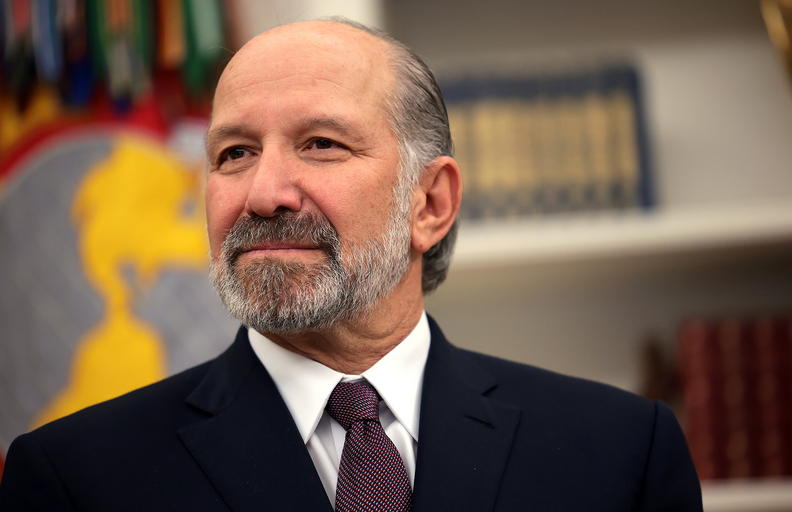
US Commerce Secretary Lutnick.
On Wednesday, Mr. Lutnick attended a Senate hearing. Republican Senator John Kennedy asked Mr. Lutnick whether the US would reciprocate if Vietnam decided to eliminate all tariffs and trade barriers on goods imported from the US.
“Absolutely not, absolutely not. That would be one of the stupidest things we have ever done,” Mr. Lutnick replied. He also said such a potential deal would be “a terrible deal.”
He added that Vietnam exports $125 billion worth of goods to the US, while importing only $12.5 million worth of US goods.
“They buy $90 billion worth of goods from China, mark them up, and sell them back to us. It’s essentially a transshipment route from China to the US,” Mr. Lutnick explained.
Finally, in response to Mr. Kennedy’s query, Mr. Lutnick hinted that if Vietnam decides to stop re-exporting Chinese goods to the US, there may still be room for negotiation. But he also added that the US wants to bring some products back to US production.
Many major US brands such as Apple and Nike have manufacturing partners in Vietnam. These suppliers often import raw materials and components from China, then do the final assembly in Vietnam. If the US government decides to impose high tariffs on goods from Vietnam, these companies could be affected.
According to data from the Office of the US Trade Representative, in 2024, Vietnam exported a total of $136.6 billion to the US, while importing only $13.1 billion of goods from the US. The $123.5 billion gap means Vietnam faces a reciprocal tax rate of up to 46%, making it one of the countries with the highest tariffs from the US. However, this tax rate has been temporarily reduced to 10%, with the aim of reaching an agreement by July 9.
Reuters on June 3 quoted sources as saying that the US may press Vietnam to reduce its dependence on industrial imports from China. A person familiar with the negotiations said that the US wants factories in Vietnam to reduce their use of raw materials and components from China, and requires Vietnam to control its supply chains and production activities more carefully. The person did not specify whether the US's request included quantitative targets.
From May 19 to 22, the US and Vietnam conducted the second round of bilateral trade negotiations in Washington. According to a source with direct access to the document, the list of above-mentioned demands was sent by the US to Vietnam after the end of this round of negotiations.
The source said that the US demands were very “tough” and “difficult”, and it is still unclear how Vietnam will react to these demands.
According to Ha Vu, Tri Thuc VN newspaper (trithucvn2.net)
Tin liên quan
- Production situation at Chinese steel mills
- Bearish sentiment dominates China's thermal coal market
- South Korea officially imposes anti-dumping duties on Chinese stainless steel plates
- Heavy losses continue to hold back China's electric furnace (EAF) steel output
- Mongolia's coal exports to China down 8.3% month-on-month in May
- Malaysia extends anti-dumping duties on cold-rolled steel coil from China and Japan, ending them on South Korea and Vietnam


